
Conquer the Peaks: Top 11 U.S. Big-Mountain Ski Resorts for Freestyle & Freeride Fans
.jpg)
When winter rolls around and snow blankets the mountains, certain ski resorts stand out — not for easy groomers or crowded slopes, but for steep faces, wild terrain, powder bowls, and the raw freedom of big-mountain skiing.
.png)
When winter rolls around and snow blankets the mountains, certain ski resorts stand out — not for easy groomers or crowded slopes, but for steep faces, wild terrain, powder bowls, and the raw freedom of big-mountain skiing. Whether you’re a seasoned freerider chasing untouched powder or an adventurous freestyle skier craving cliffs, steep chutes, and spine-tingling lines — there are resorts in the U.S. that call your name. Below is a curated list of 11 U.S. ski areas that deliver big-mountain thrills, each with its own character and challenges.
🎯 What Is “Big-Mountain Skiing” (And Why It Matters)

Before jumping into the list, it’s important to clarify what “big-mountain skiing” means to many freeride and freestyle skiers:
-
Big-mountain skiing — also known as freeride skiing — often involves skiing steep, natural terrain: cliffs, bowls, open slopes, variable snow (powder, wind-blown, crusted), and often unmarked or ungroomed runs. It’s about reading the mountain, picking lines, and riding the snow and terrain as you find it.
-
It requires more than just good slope technique — you need comfort with variable snow, steepness, sometimes remote conditions; sometimes knowledge of avalanche safety or mountain awareness.
-
What makes big-mountain skiing special is the freedom: instead of following groomed paths, you pick your own path; instead of repeating fixed runs, every descent can feel unique. It’s a mix of technical skill, creativity, and respect for the mountain.
With that mindset — the spirit of freeride and freestyle combined — here are top resorts to target.
🏔️ Top 11 Big-Mountain Ski Resorts in the U.S. for Freeride & Freestyle
Notes: Each resort below offers challenging terrain, steep slopes, powder potential or back-country-style terrain, and draws skiers who want more than groomers. Always check conditions, stay safe, and understand avalanche / mountain risks before venturing off-piste.
1. Jackson Hole Mountain Resort (Wyoming)

This resort often tops big-mountain lists in the U.S. — steep chutes, wide bowls, dramatic vertical drops, and a raw alpine vibe. For skiers who thrive on adrenaline and challenging terrain, Jackson Hole remains a benchmark: exposure, steep faces, possibility of real adventure.
2. Big Sky Resort / Lone Mountain (Montana)
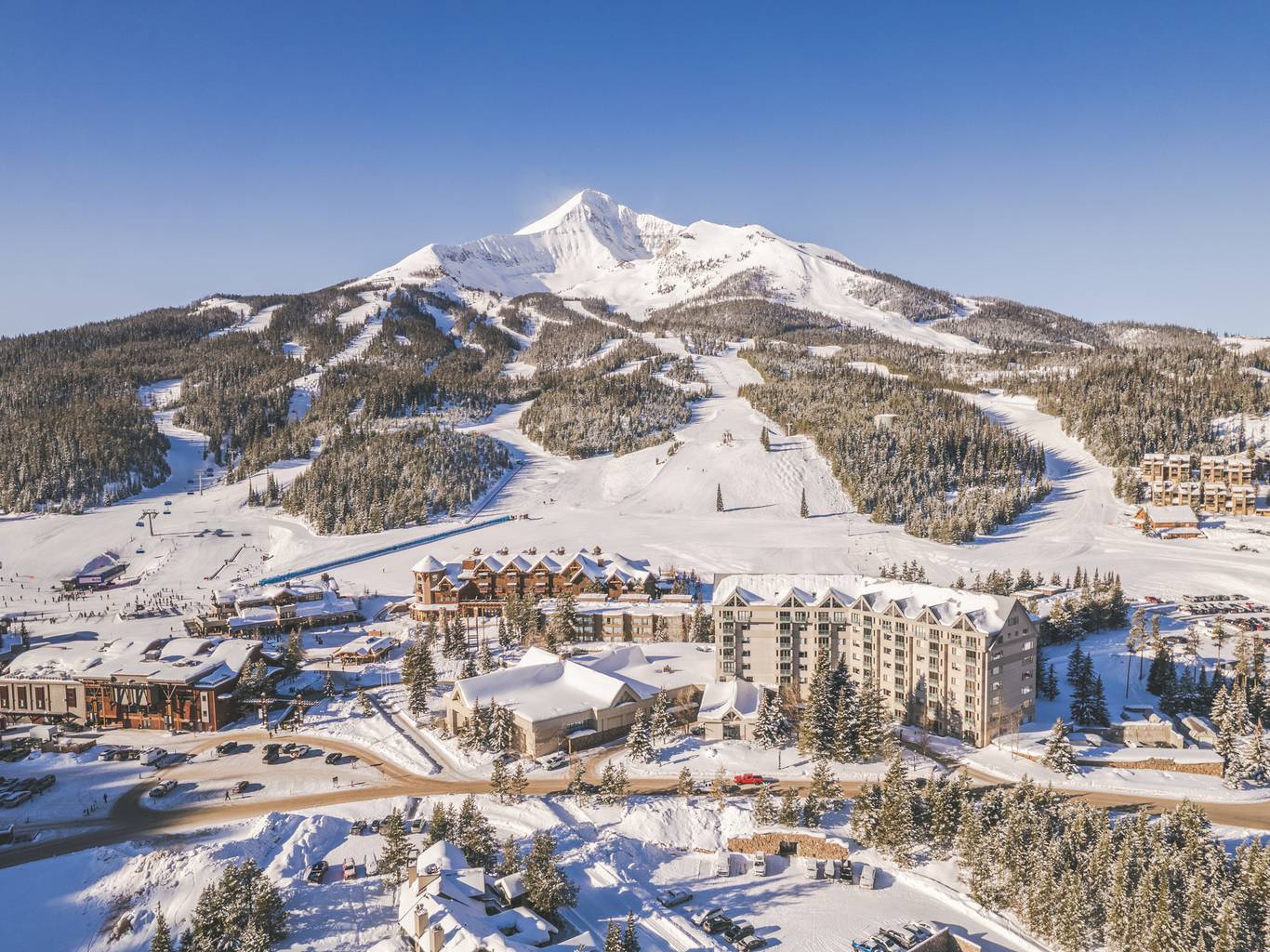
One glance at Lone Mountain and you know this is serious terrain. Huge bowls, big verticals and lines that fan out nearly 270° from the summit — meaning enormous terrain variety and steep, adrenaline-filled runs. For those looking for big-mountain scale without overcrowding, Big Sky is a standout.
3. Taos Ski Valley (New Mexico)
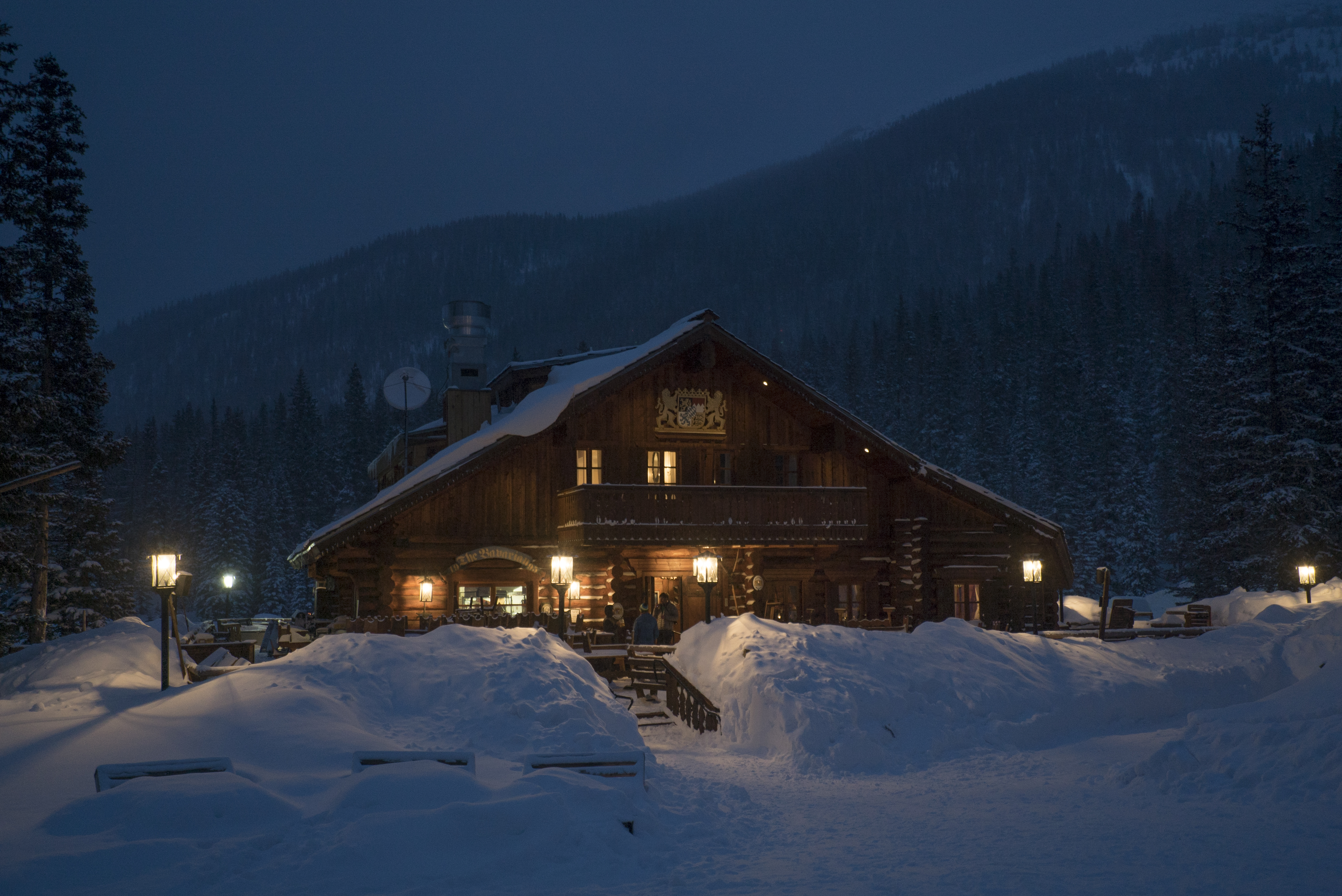
Often underestimated — yet Taos delivers steep lines, chutes, rugged terrain, and surprisingly sunny, clear-sky winter conditions. For skiers who want steep, technical runs in a less-expected location, Taos offers unique value: challenging terrain plus Southwestern charm.
4. Alyeska Resort (Alaska)
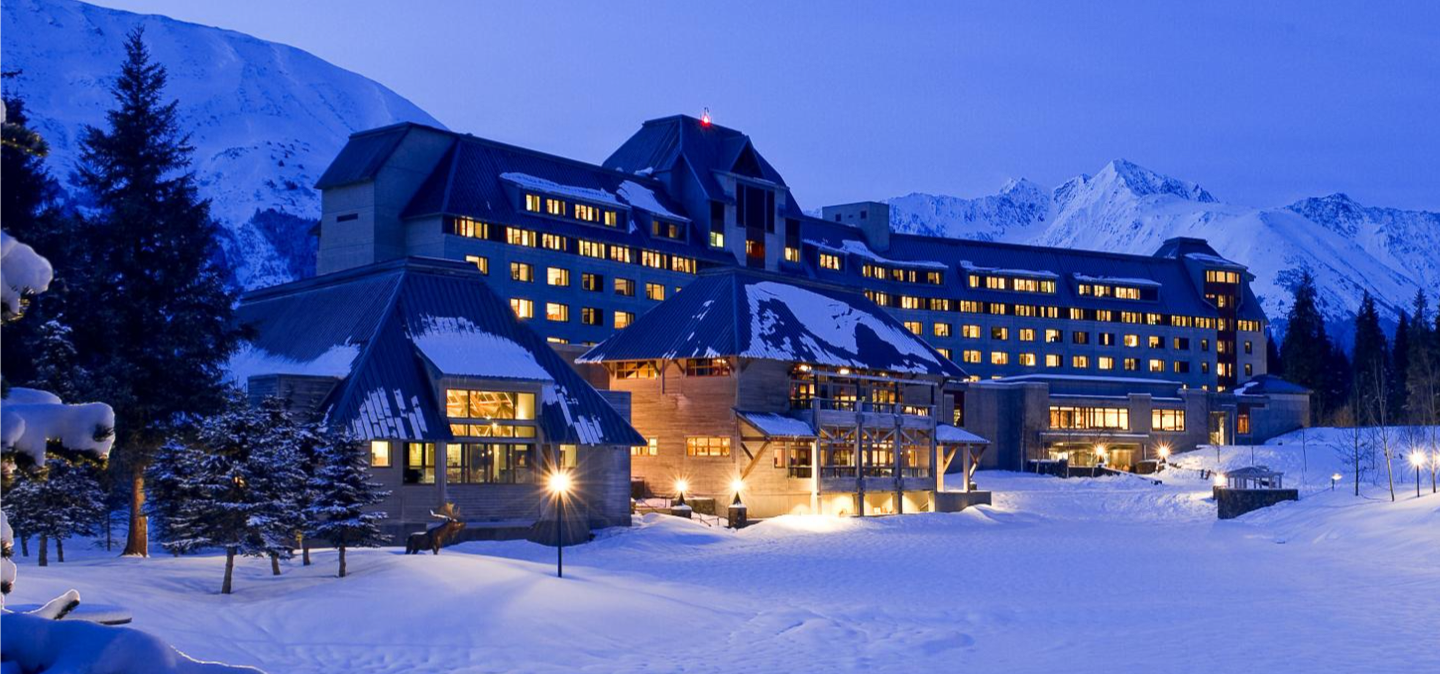
A dream on the bucket list. High-mountain terrain above treeline, back-country feel (even on resort access), potential for real Alaska-style big-mountain skiing. For adventurous souls craving wilderness, deep snow, and dramatic descents — Alyeska stands out.
5. Mixed-Terrain Big-Mountain + Freeride Resorts
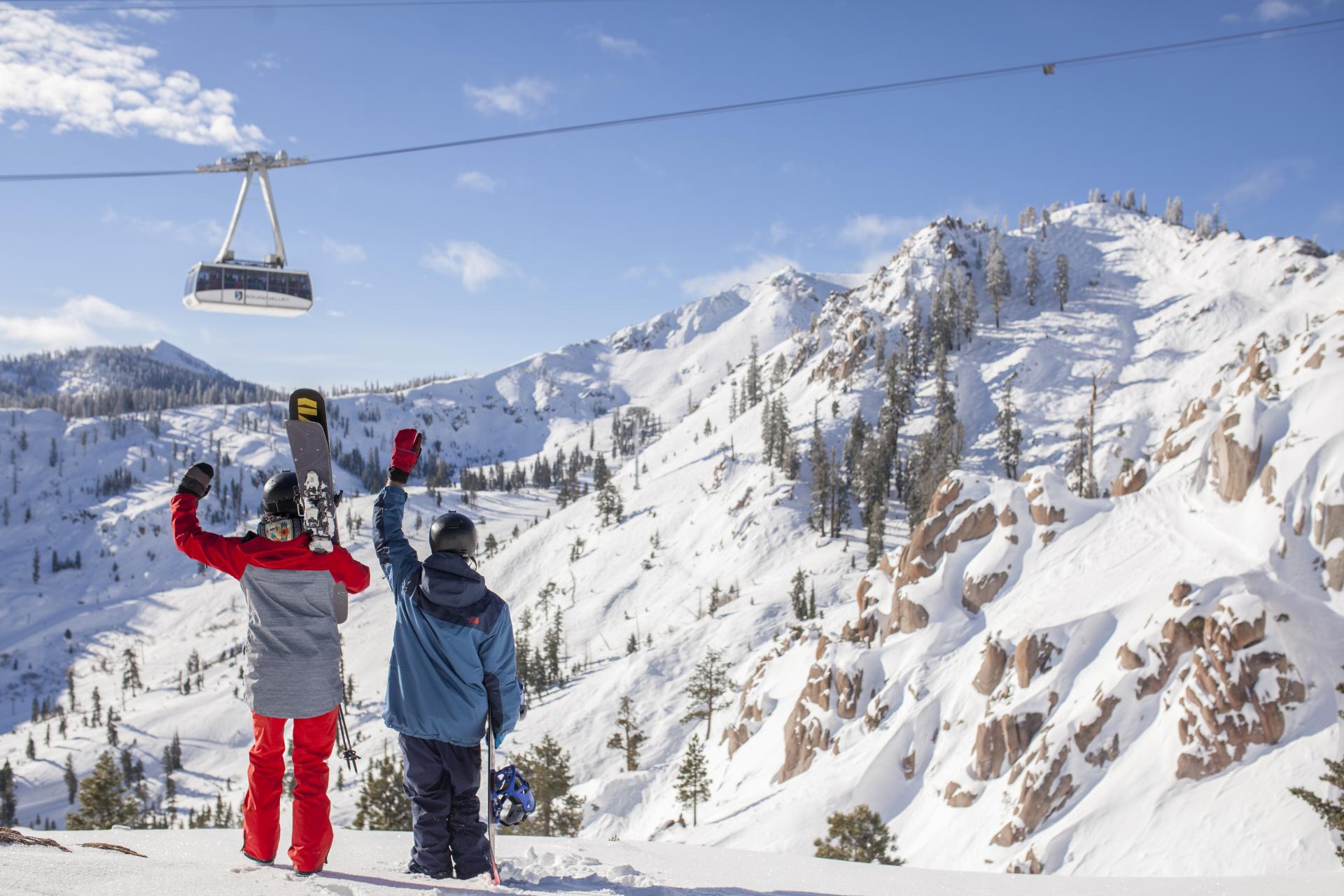
Beyond the “top 4”, there are resorts that may mix easier runs with serious big-mountain terrain — for example combining groomed slopes, glades, powder bowls, and freeride zones. For many skiers, this balance offers variety: from warm-up runs to thrilling high-consequence lines.
6. Back-Country Adjacent Resorts with Freeride Access
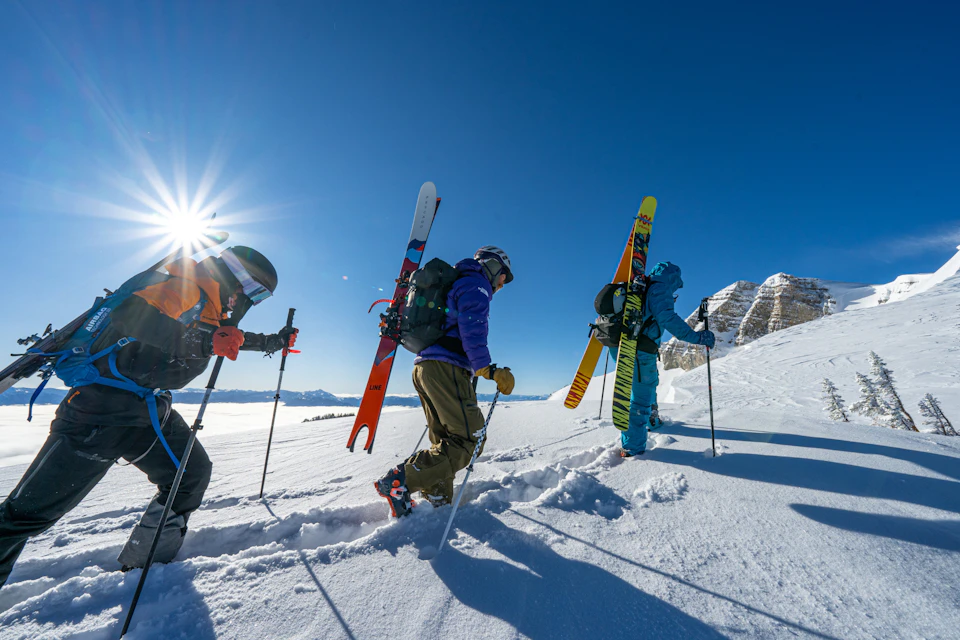
Some ski areas provide gates or access to back-country or off-piste terrain, giving intermediate-to-advanced skiers a chance to test freeride skills without venturing fully into uncontrolled wilderness. These resorts can offer the safest compromise between resort skiing and big-mountain adventure.
7. Resorts Known for Powder + Variable Snow Conditions
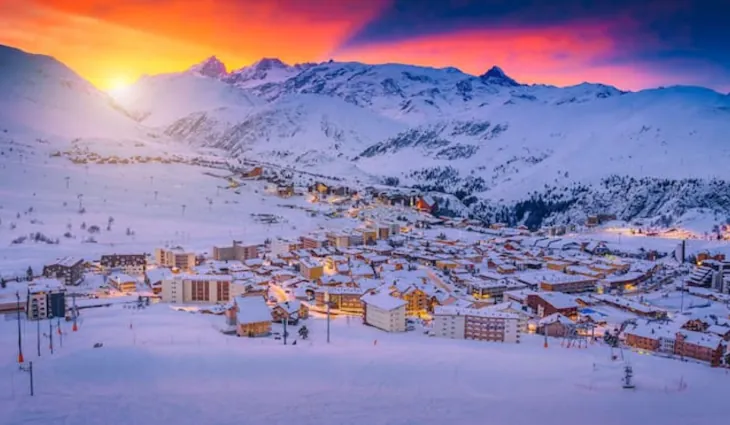
Part of the allure of big-mountain skiing comes from unpredictable snow — powder days, wind-blown snow, crust, crust-to-powder transitions. Resorts with a reputation for powder and changeable conditions draw experienced skiers who relish the challenge and reward of mastering tricky snow.
8. Steep + Technical Terrain Resorts
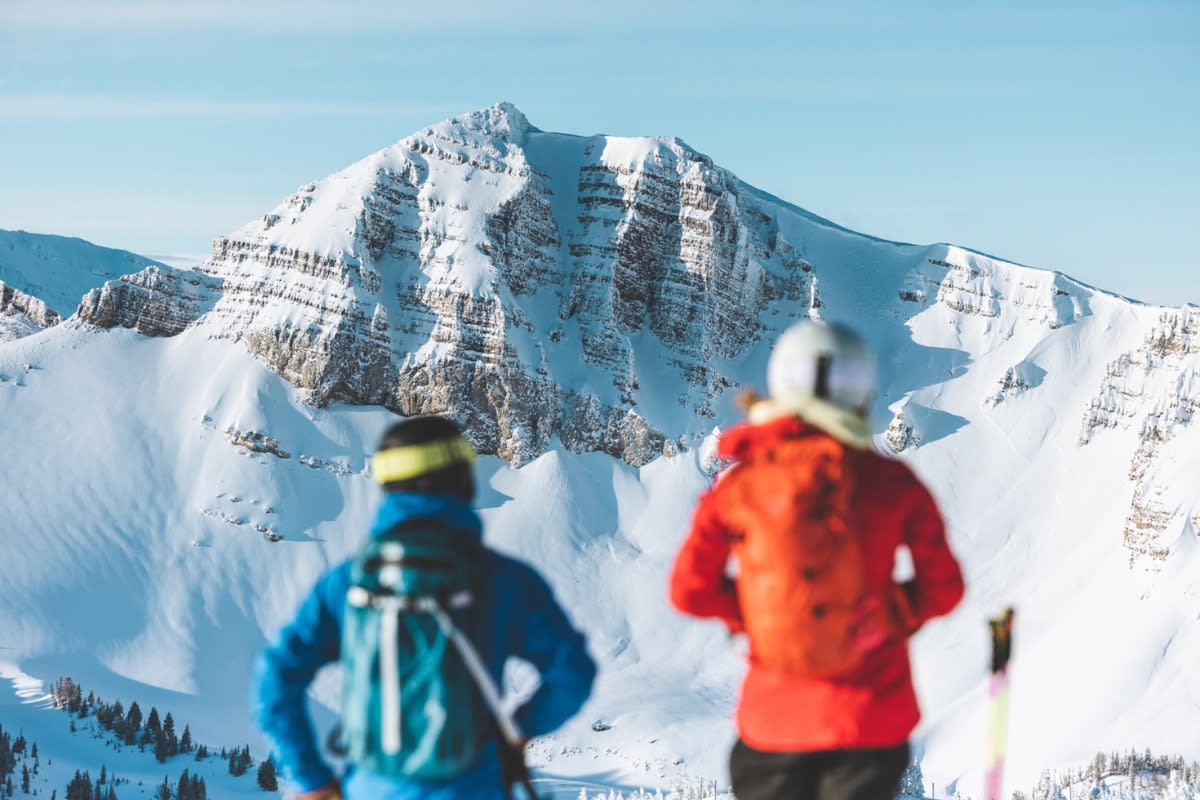
Whether it’s chutes, couloirs, cliff-drops, or steep glades — resorts that offer technical terrain test your skiing skill, nerve, and route-finding. These places appeal to skiers who crave challenge, precision, and the satisfaction of earning each turn.
9. Resorts with Broad Terrain Options & Big Vertical Drop
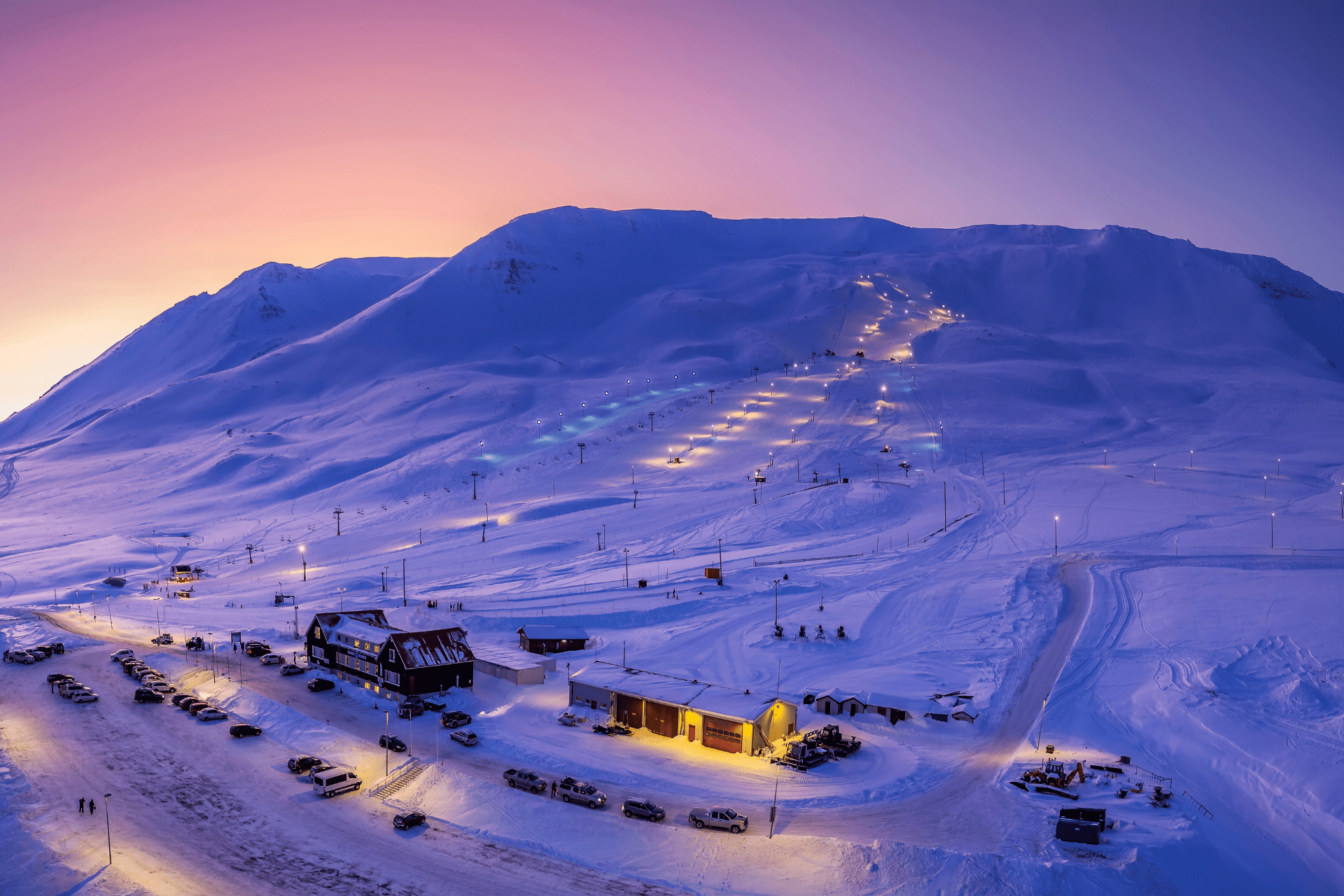
Big vertical, broad terrain — from high summits to deep bowls and long fall-line runs — means variety. Skiers can explore multiple zones on the same mountain: open bowls, glades, cliffs, tree runs, and maybe even sidecountry/back-country (if allowed). That terrain diversity makes a resort a “big-mountain playground.”
10. Resorts Friendly to Freestyle Meets Freeride
.png)
For those who love both freestyle and freeride — jumps, air, cliffs — there are resorts that accommodate both styles: natural terrain plus areas suitable for aerial tricks, cliff-drops, and big-air maneuvers. Great for skiers who like to blend creativity and freeride.
11. Hidden-Gem / Under-the-Radar Big Mountains
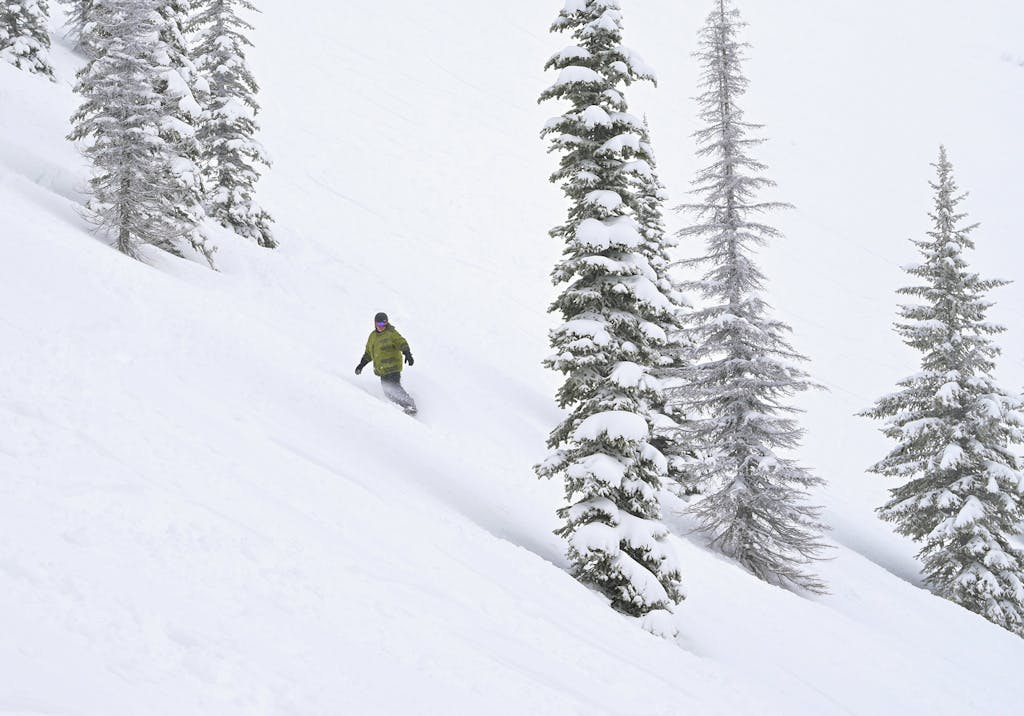
Some of the best experiences come from less crowded, lesser-known resorts or lesser-publicized zones. These tend to offer fewer crowds, more powder days, and a wilderness feel even under resort access. For skiers willing to go off the beaten path — these gems can be the most rewarding.
✅ Before You Drop In: What You Should Know
If you plan to chase big-mountain skiing, keep in mind:
-
Know the snow and avalanche conditions — big-mountain terrain often means uncontrolled snow, potential hazards. Understanding avalanche safety, snowpack and mountain weather is essential.
-
Be comfortable with variable terrain and snow — Powder, crust, wind-blown snow, mixed snow quality — every descent can be different. Skill and adaptability matter more than on groomed runs.
-
Have the right gear — freeride skis (preferably wider / powder-ready), avalanche safety gear (beacon, shovel, probe) if you go off-piste/back-country, and good physical conditioning.
-
Respect the mountain — don’t push beyond your limits: Big-mountain skiing carries real risk. It’s not just about fun or thrill — it’s about awareness, respect, and responsibility.
-
Embrace variety & creativity — part of what makes big-mountain skiing special is freedom: choosing your own line, adapting to terrain, maybe adding freestyle elements (jumps, drops) if you want to blend freeride + freestyle.
🏂 Why Freeride / Big-Mountain Skiing Is So Appealing
-
Freedom & Creativity: Instead of fixed groomed trails, you write your own line — pick where to drop in, where to jump, where to carve. The mountain becomes your canvas.
-
Variety: Each run can feel different — from steep bowls to glades, cliffs to open powder. You never really “repeat” a run.
-
Challenge & Reward: Navigating steep terrain, unpredictable snow, and natural obstacles — every successful descent feels earned.
-
Connection to Nature: Away from crowded pistes — fresh snow, quiet slopes, wide-open alpine terrain. It’s raw, real skiing, often with a wilderness vibe.
-
Skill Development: You build mountain sense, adaptability, technical skiing, snow-reading, mental composure — unlike predictable resort skiing.
🎯 Who Should Consider Big-Mountain / Freeride Skiing
Big-mountain skiing is ideal for:
-
Intermediate to advanced skiers who are comfortable on steep terrain and variable snow.
-
Skiers seeking more challenge, adventure, and variety than resort groomers or park runs.
-
Those who enjoy exploring — not just skiing — but route-finding, reading snow, maybe venturing near back-country or side-country terrain.
-
Skiers who relish adrenaline, creativity, and the sense of freedom that comes with skiing natural, wild terrain.
🧭 Final Thoughts
If you’re looking to push beyond the usual slopes, to feel the raw power of the mountain under your skis, and to experience skiing in its wild, untamed form — big-mountain and freeride skiing may just be what your soul is craving.
From steep chutes and dramatic alpine bowls to powder lines and technical cliffs — the U.S. offers a variety of resorts and terrain for you to explore. Whether you go to legendary big-mountains or lesser-known hidden gems, the key is respect for the mountain, awareness, skill, and a spirit of adventure.
So gear up, pick your resort wisely, and get ready to drop in. The mountain is calling — are you ready?
Stay safe, ski hard, and keep chasing powder.
DEALS DELIVERED TO YOUR INBOX.
Subscribe now for top-notch shopping & Investing advice. Receive hot Vouchers into your wallet
By submitting your information you agree to the Terms & Conditions and Privacy Policy
Related Articles

Top 14 Stone Fruit Fragrances That Smell Juicy, Warm, and Irresistibly Soft

Step Into Royalty: Mastering the Castlecore Fashion Trend for 2025

Southern Christmas Show Tickets Coupon: Save Big on Your Holiday Adventure

10 Festive Mardi Gras Outfit Ideas for Women – Bold, Sparkly & Fun
.png)
Effective Treatment for Bone on Bone Knee: Natural Relief and Medical Options

Enchanted Fingertips: Top 10 Castlecore Nail Ideas for Regal Beauty
Popular Brands
View all
KiCo-India's Kitaab Copy
5 Coupons Available

Four Reasons
4 Coupons Available

Tradago.ai
5 Coupons Available

ClubHub Golf
5 Coupons Available

Paxcess
5 Coupons Available

ShortPixel
5 Coupons Available
Popular Articles
View all.png)
Best AI Software Deals for Startups: Exclusive Coupons for 2024

Top 15 Strawberry Perfumes That Smell Sweet, Playful, and Absolutely Irresistible

Free Car Wash Coupons: Top Tips for Keeping Your Car Clean on a Budget

Where and When to Get the Best Deals on Halloween Candy in 2024

Top 10 Best Free Online Fitness Classes for Working Out at Home

Style Up & Show Up: 20+ Wedding Guest Outfit Ideas That’ll Turn Heads (Without Stealing the Spotlight)
LATEST
.png)
Last updated: Jun 4, 2025

Last updated: May 5, 2025

Last updated: Aug 5, 2025

Last updated: Feb 11, 2026

Last updated: Aug 25, 2025

Last updated: Nov 26, 2025