
Mekong Delta Floating Markets: Ultimate Guide to Vietnam's Vibrant River Adventures

Explore the enchanting Mekong Delta floating markets in Vietnam, where colorful boats brim with fresh fruits, local crafts, and authentic culture. Discover top spots like Cai Rang, travel tips, and immersive tours for an unforgettable journey.
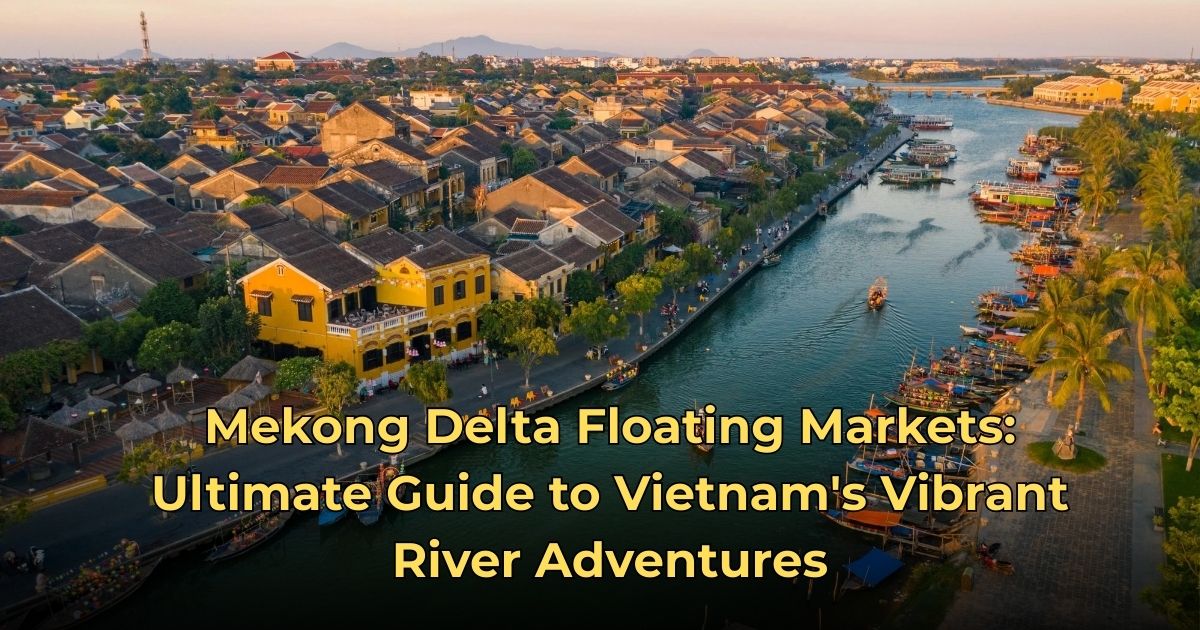
The Mekong Delta, often referred to as the "Rice Bowl" of Vietnam, is a mesmerizing labyrinth of rivers, canals, and lush greenery that stretches across the southern tip of the country. At the heart of this watery wonderland lie the iconic floating markets, where life unfolds on the river's surface in a symphony of colors, sounds, and scents. These markets are not just places to buy and sell goods; they are living embodiments of the region's history, culture, and resilience. For travelers seeking an authentic glimpse into Vietnamese rural life, the Mekong Delta floating markets offer an unparalleled experience. From the bustling dawn trades at Cai Rang to the quieter exchanges at Phong Dien, these aquatic bazaars encapsulate the essence of a community deeply intertwined with the mighty Mekong River.
As a seasoned travel content expert with over a decade of exploring Southeast Asia's hidden gems, I've navigated these waters multiple times, witnessing firsthand how the floating markets evolve while preserving their timeless charm. In this comprehensive guide, we'll delve into the history, the must-visit spots, practical tips, and everything you need to know to make your visit memorable. Whether you're a solo adventurer, a family traveler, or a cultural enthusiast, the Mekong Delta floating markets promise a blend of adventure and serenity that's hard to find elsewhere.
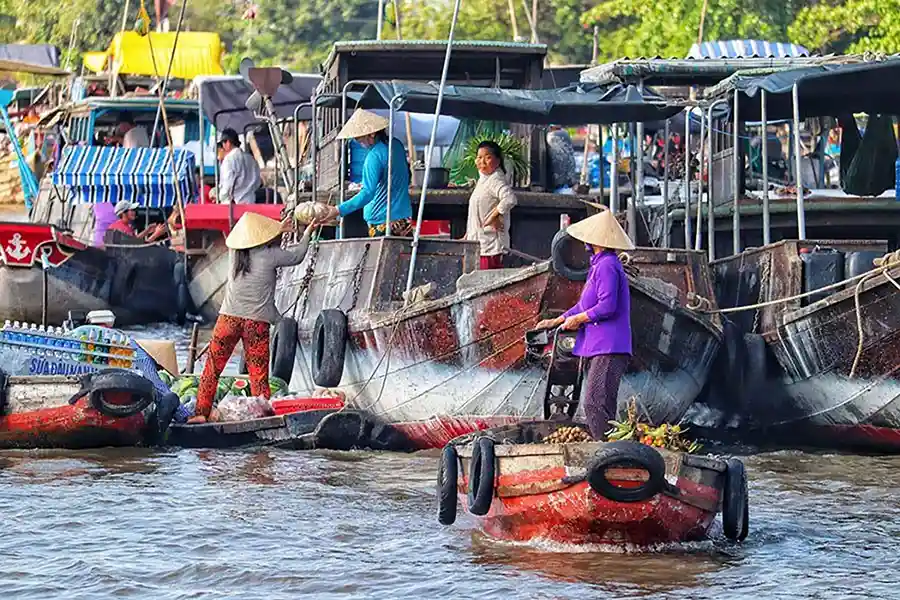
Which floating markets should you visit in the Mekong Delta ...
The Historical and Cultural Significance of Floating Markets
The origins of the Mekong Delta floating markets trace back centuries, rooted in the practical necessities of life in a flood-prone region. The Mekong River, one of the world's longest, branches into a delta that covers over 40,000 square kilometers in Vietnam alone. With limited road infrastructure historically, locals turned to boats as the primary mode of transportation and commerce. Markets naturally formed on the water, where farmers, fishermen, and traders could converge without leaving their vessels.
These markets are more than economic hubs; they are cultural tapestries. Influenced by Khmer, Chinese, and Vietnamese traditions, the floating markets reflect a harmonious blend of ethnicities. For instance, the tradition of hanging produce on bamboo poles – known as "bèo" – signals what's for sale from afar, a clever adaptation to the riverine environment. This practice not only facilitates trade but also adds to the visual spectacle, with boats adorned like floating gardens.
In modern times, while some markets have adapted to tourism, they remain vital for local economies. They support thousands of families who rely on the river for livelihood, from harvesting tropical fruits like mangoes, pineapples, and durians to catching freshwater fish. Visiting these markets offers a window into sustainable living, where waste is minimal, and everything from food scraps to boat repairs is handled with ingenuity. The cultural significance is further amplified during festivals, such as the Lunar New Year, when markets buzz with extra energy, featuring traditional music and special delicacies.
The floating markets also highlight environmental challenges. Climate change and upstream dams have altered water levels, affecting the delta's ecology. Yet, the resilience of the people here is inspiring – initiatives like eco-tours promote conservation while allowing visitors to contribute positively.
Top Floating Markets to Explore in the Mekong Delta
No guide to the Mekong Delta floating markets would be complete without spotlighting the standout locations. Each market has its unique flavor, scale, and peak times, making it worth planning your itinerary around them.
Starting with Cai Rang Floating Market, the largest and most famous in the region, located near Can Tho city. Spanning the Hau River, a branch of the Mekong, Cai Rang comes alive at dawn, around 5 AM, when hundreds of boats gather to trade wholesale goods. Here, you'll see massive barges piled high with watermelons, pumpkins, and coconuts, while smaller sampans dart between them selling hot pho (noodle soup) or hu tieu (rice noodles) from onboard kitchens. The air is filled with the aroma of freshly brewed coffee and sizzling street food. A highlight is the pineapple sellers, who skillfully carve the fruit into spirals for instant snacks. Cai Rang is ideal for first-timers, as it's easily accessible and offers boat tours that include visits to nearby noodle factories.
Just a short boat ride away is Phong Dien Floating Market, often considered a more authentic alternative to Cai Rang. Smaller in scale, Phong Dien feels less touristy, with locals trading everyday items like vegetables, tools, and even livestock. The market operates from early morning until noon, and it's surrounded by verdant orchards and canals perfect for side explorations. What sets Phong Dien apart is its serene atmosphere – fewer crowds mean more opportunities for genuine interactions, like bargaining for a bunch of rambutans or learning about river fishing techniques from vendors.
Further afield, in Tien Giang province, lies Cai Be Floating Market. Though smaller than its Can Tho counterparts, Cai Be is renowned for its diversity of goods, including handicrafts, flowers, and even bonsai trees. The market is a gateway to exploring the delta's narrower canals, where you can visit brick kilns and coconut candy workshops. It's particularly photogenic, with colorful boats against a backdrop of colonial-era churches and lush mangroves.
For those venturing deeper, Nga Bay (Phung Hiep) Floating Market in Hau Giang province offers a unique twist. Known for its snake market – yes, live snakes are traded here – it's a hub for exotic produce and wildlife. While not for the faint-hearted, it provides insight into the delta's biodiversity. Other notable mentions include Tra On in Vinh Long, famous for seasonal fruits, and Nga Nam in Soc Trang, which combines floating trade with a land-based market for a hybrid experience.

Mekong Delta floating markets: Top 8 not-to-be-missed places
When choosing which markets to visit, consider combining them in a multi-day tour. A typical itinerary might start in Ho Chi Minh City (Saigon), heading south to Can Tho for Cai Rang and Phong Dien, then looping to Vinh Long or Tien Giang for Cai Be.
How to Get to the Mekong Delta Floating Markets
Accessibility is key to enjoying the Mekong Delta floating markets without hassle. The delta is about a 2-3 hour drive from Ho Chi Minh City, making it a popular day trip or weekend escape. For independent travelers, buses from Saigon's Mien Tay Bus Station run frequently to Can Tho, the main hub, costing around $5-10 USD. From there, hire a motorbike taxi or join a boat tour directly from Ninh Kieu Wharf.
For a more immersive experience, opt for organized tours. Many companies offer small-group boat excursions starting at $20-50 per person, including breakfast on the river and English-speaking guides. If you're adventurous, rent a scooter in Can Tho (about $5/day) and navigate to the markets via bridges and ferries – but beware of the chaotic traffic!
For international visitors, flying into Can Tho International Airport from Hanoi or Da Nang is convenient. Once in the delta, boats are the way to go. Private speedboats or traditional wooden vessels can be chartered for $10-30/hour, offering flexibility to explore at your pace. The best time to visit is during the dry season (December to April), when water levels are stable and weather is pleasant. Avoid the rainy season (May to November) unless you're prepared for floods and mud.
What to Expect: Activities, Cuisine, and Local Encounters
Arriving at a Mekong Delta floating market is like stepping into a living postcard. Expect a cacophony of haggling voices, the splash of oars, and the vibrant hues of tropical bounty. Activities abound: hop on a rowboat for close-up views, sample street food like banh mi stuffed with grilled pork or fresh spring rolls, or even try your hand at paddling.
Cuisine is a star attraction. Floating eateries serve everything from steaming bowls of bun rieu (crab noodle soup) to exotic fruits like dragonfruit and jackfruit. Don't miss the hu tieu nam vang, a Khmer-influenced noodle dish unique to the region. For the brave, try durian – the infamous "king of fruits" with its creamy, pungent flesh.
Beyond shopping, engage with locals. Many vendors are happy to share stories, perhaps over a cup of tra da (iced tea). Side trips include cycling through rice paddies, visiting floating villages where homes bob on the water, or learning about silk weaving in artisan workshops.
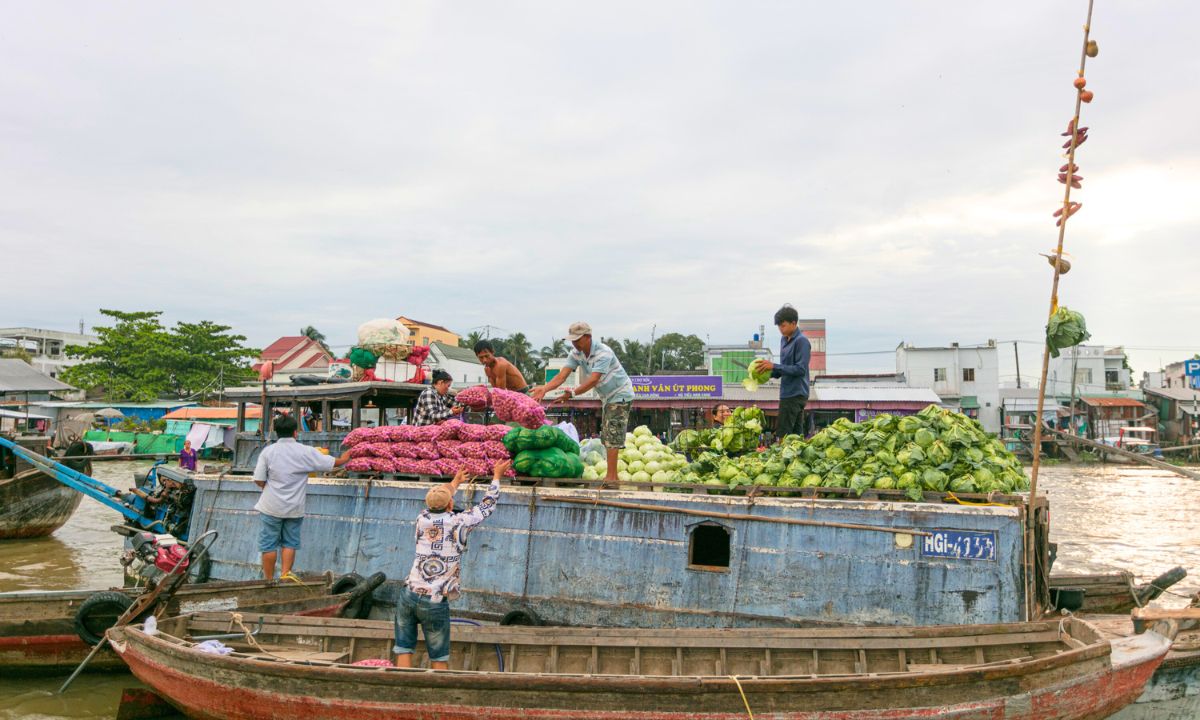
Floating Market: The Beating Heart of the Mekong Delta
Eco-conscious travelers can join sustainable tours that focus on birdwatching in mangrove forests or supporting community projects. Night markets add another layer, with lantern-lit boats selling snacks under the stars.
Essential Tips for Visiting the Floating Markets
To make the most of your trip, start early – markets peak between 5-9 AM and wind down by midday. Wear light clothing, a hat, and sunscreen; the tropical sun is intense. Bring cash in small denominations for bargaining, and learn basic Vietnamese phrases like "Bao nhiêu?" (How much?).
Respect local customs: ask before photographing people, and avoid littering in the river. For safety, stick to reputable tour operators to prevent overcharging. If you're prone to motion sickness, take precautions for boat rides.
Budget-wise, a day tour costs $30-60, including meals. Extend your stay in homestays for $20-40/night to immerse deeper. Finally, consider the environmental impact – choose plastic-free options and support eco-friendly initiatives.
Conclusion: Embrace the Flow of the Mekong
The Mekong Delta floating markets are more than destinations; they're portals to Vietnam's soul. In a world of rapid modernization, they remind us of simpler, water-bound ways of life. Whether bargaining for souvenirs or simply soaking in the scenery, your visit will leave lasting memories. Plan your adventure today and let the river carry you into the heart of this enchanting region.
DEALS DELIVERED TO YOUR INBOX.
Subscribe now for top-notch shopping & Investing advice. Receive hot Vouchers into your wallet
By submitting your information you agree to the Terms & Conditions and Privacy Policy
Related Articles
.png)
Eco-Friendly Dog Products: Sustainable Choices for Your Pet

10 Terrifying Halloween Costume Ideas for 2025 to Haunt the Night – Create Your Spooky Look Now!

32+ Discover the Magic of Purple Knitwear: An Inviting Overview and Summary

Love Hurts: Barbed Wire Heart Tattoo Ideas That Wrap Passion in Pain & Power

Introduction & Summary: Embrace the Elegance of Minimalism for a Refined Valentine

Dazzle in Style: 10 Ornate Family Attire Ideas for 2025 Weddings – Elevate Your Look Now!
Popular Brands
View all
Meet Alfred
5 Coupons Available

Agata Ecosystem
5 Coupons Available

AItextspeak
5 Coupons Available

Revolut
5 Coupons Available
.svg)
Uxcel
5 Coupons Available

Giftory
5 Coupons Available
Popular Articles
View all
Save Big with Nancy's Pizza Coupons: The Ultimate Guide to Deals and Discounts
.png)
The Ultimate Chocolate Drip Cake Recipe – Foolproof, Shiny & Perfect Every Time

Getting Ready for Cyber Monday 2024: Top Product Categories to Watch for Deals

Introduction & Summary: A Unique Personalized Expression of Love
.png)
Home Health Care Services in 2025: Quality, Comfort, and Compassion at Home

Weather Education: Unlocking the Science of the Skies Through Books and Textbooks
LATEST

Last updated: Jan 20, 2026

Last updated: May 22, 2025

Last updated: Jun 24, 2025
.png)
Last updated: Dec 3, 2025

Last updated: May 22, 2025
.png)
Last updated: Jan 22, 2026